Should I call a plumber before buying a San Tan Valley home?
Yes—call a plumber before buying a San Tan Valley home if the inspection flags leaks, slow drains, water-heater problems, or plumbing work that needs a closer look. For a 2026 purchase, I recommend getting those concerns explained before your inspection deadline; a plumbing visit addresses specific plumbing questions, not the rest of the home's condition.
- Searching plumber san tan valley before buying? Ask for help with specific inspection findings, not just a general reassurance.
- KaylorMade Plumbing handles plumbing repairs; a plumbing visit does not replace a whole-home inspection.
- Get permission before testing fixtures or arranging access, and stop if water backs up or leaks.
- Ask what was checked, what remains unknown, and which repairs need attention before you commit.
Why this matters
A bathroom can look clean while a drain empties slowly. A water heater can look tidy while its connections show signs of leakage. Appearance alone does not answer whether the plumbing needs attention.
I would rather you ask about a visible warning sign before buying than discover afterward that nobody established what caused it. The useful result is not a promise that nothing will ever break. It is a clearer explanation of the current concern, the next check, and any recommended repair.
KaylorMade Plumbing is best for homeowners seeking plumbing repairs, not a replacement for a whole-home inspection. You can contact KaylorMade Plumbing to discuss a plumbing concern and whether a visit fits your purchase timeline.
Should I call a plumber before buying a San Tan Valley home?
Call when you have a plumbing question that the home inspection has not resolved. I would start with the inspection report, seller disclosures, and anything you noticed during an approved walkthrough. Then ask a plumber to explain the specific issue rather than requesting a blanket verdict on the house.
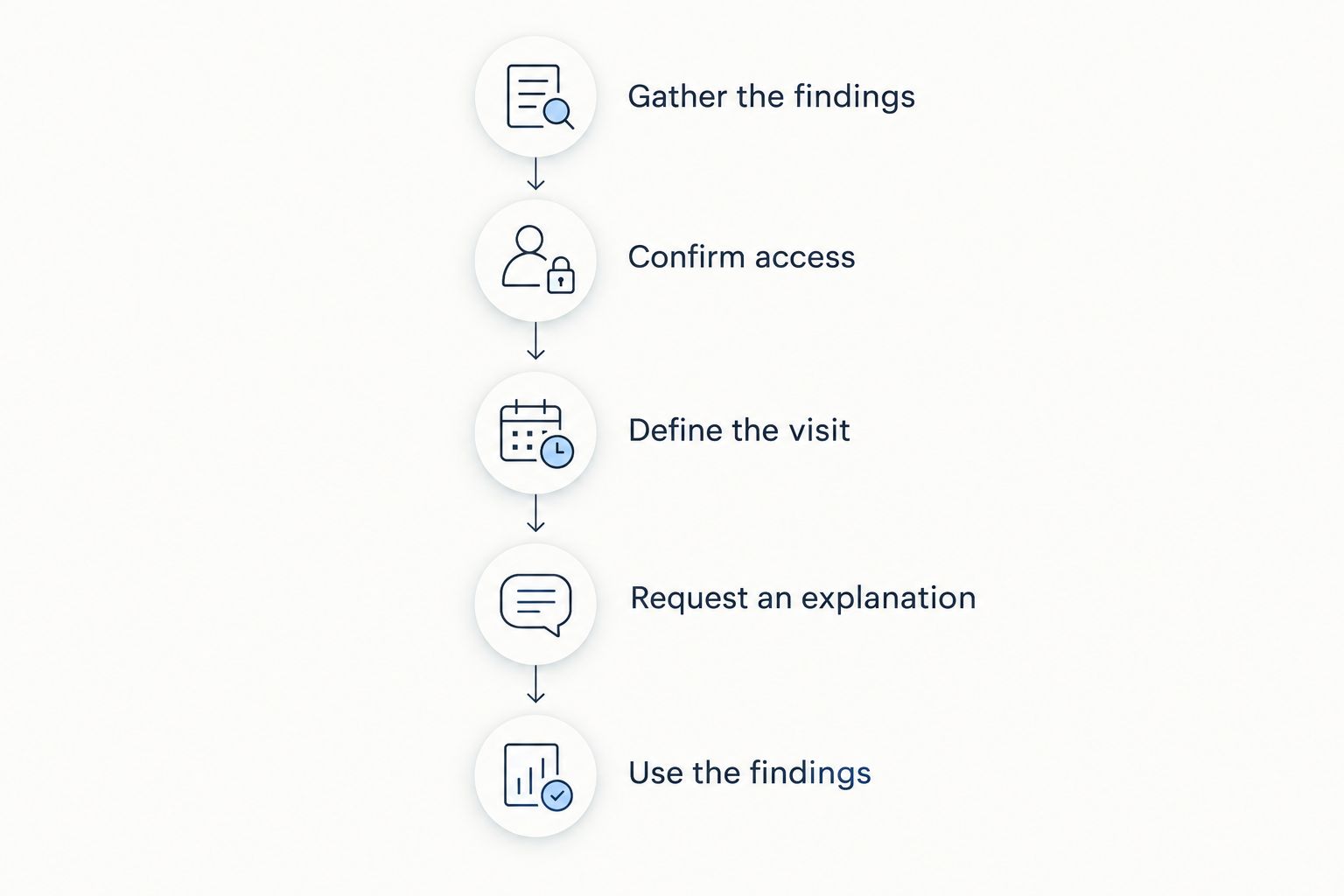
For your 2026 home purchase, use this sequence:
- Gather the findings. Send the relevant inspection notes and photos. Include the affected room or fixture and whether anyone observed an active leak or backup.
- Confirm access. Arrange the visit through the seller and your real estate agent. Ask who can authorize testing and whether utilities will be on.
- Define the visit. Ask which concerns the plumber will assess and which checks require separate equipment, authorization, or another appointment.
- Request an explanation. Ask what the plumber observed, what that finding means, and what still needs investigation.
- Use the findings. Discuss the written recommendations with your agent before your contractual deadline. Your agent handles purchase negotiations; the plumber explains the plumbing.
The distinction matters. A plumber who looks at a leaking connection has not necessarily evaluated the entire drain system. A visit centered on a water heater does not automatically answer questions about concealed pipes.
A home inspection versus a plumbing assessment
A home inspection and a focused plumbing assessment serve different purposes. Ask each professional what their visit includes instead of assuming that the word inspection means every pipe and drain will be examined.
| Option | Best for | Main benefit | Limitation |
|---|---|---|---|
| Whole-home inspection | Buyers seeking a broad review of the property's condition | Considers plumbing alongside other home systems | The report's scope determines which plumbing checks are included |
| Focused plumbing assessment | Buyers with a leak, drain, pipe, or water-heater concern | Addresses the identified plumbing question | Does not replace evaluation of the rest of the property |
| Follow-up drain evaluation | Buyers with an unresolved drainage concern | Helps investigate the affected drain beyond surface observations | Access and the agreed method determine what can be examined |
Use the home inspection to identify questions, then use the appropriate specialist to answer unresolved ones. Neither a clean-looking fixture nor a short successful test proves that every hidden part of the system is sound.
I also recommend reading the limitations in any report. If a fixture could not be tested, that is an unanswered question—not a passing result. Ask what prevented the check and whether it can be completed before you make your decision.
Which plumbing warning signs deserve a closer look?
You do not need to diagnose the house yourself. Your job is to notice concerns, document them safely, and ask someone qualified to explain them.
Leaks, stains, or damp areas
Look at accessible areas beneath sinks and around toilets and the water heater. A wet cabinet, dripping connection, or water on the floor deserves an explanation. Do not reach into wet areas near electrical equipment.
A dry stain also deserves a question, but it does not establish an active plumbing leak by itself. Ask what caused it, whether the source was repaired, and whether documentation supports that explanation. Fresh paint alone does not answer those questions.
Slow drains, gurgling, or backups
Tell the plumber exactly which fixture was affected and what happened. A sink that drains slowly and a toilet that backs up are different observations; combining them into a vague complaint makes the starting point less clear.
If multiple fixtures show drainage problems, report that pattern. It does not identify the cause on its own, but it gives the plumber a more useful description. Stop using affected fixtures if wastewater rises or backs up.
Water-heater concerns
Ask about visible leakage, whether hot water was available during the inspection, and any repair or installation records. The equipment label can help identify the unit, but appearance does not establish its condition.
I would not ask a buyer to adjust heater controls, open panels, relight equipment, or operate valves as a test. Leave gas, electrical, and equipment-specific checks to the appropriate professional. Tell the plumber what the inspector observed instead.
Unexplained plumbing changes
Ask about bathroom additions, relocated fixtures, and other plumbing changes mentioned by the seller or inspector. Request the available paperwork rather than assuming that newer-looking work was installed correctly.
A missing record is a reason to ask another question, not proof that the work is defective. Keep observations and conclusions separate. That makes the discussion useful without turning every unknown into a diagnosis.
Why the plumbing assessment varies
The right visit depends on the property and the concern. For a 2026 purchase, I would define the scope using these factors:
- The inspection finding: An active leak needs a different response from a fixture that could not be tested.
- The affected area: A single sink, several drains, and a water heater each raise different questions.
- Access: Locked rooms, stored belongings, and concealed connections limit what can be seen.
- Utility status: If water or power is unavailable, some functional checks remain incomplete.
- Available records: Repair details and installation paperwork help establish what was changed and when.
- Seller authorization: Additional testing or opening anything up requires an agreed scope and permission.
Do not mistake a limited visit for a complete plumbing clearance. Ask the plumber to identify the limits in plain language. You should know whether the concern was resolved, narrowed down, or left unanswered.
I would also ask whether further evaluation is recommended before a repair decision. Finding a symptom and identifying its source are not always the same task.
What can I safely check during a walkthrough?
Keep your checks observational and get permission before operating fixtures. You are visiting someone else's property, not troubleshooting your own home.
- Look: Note visible water, stains, corrosion, or damaged connections in accessible areas.
- Listen: Report unusual gurgling or a toilet that continues running after use.
- Ask: Request repair records and clarification of inspection findings.
- Stop: End a permitted fixture check if water leaks, rises, or backs up.
Do not remove access panels, loosen fittings, climb into unsafe spaces, or try to clear a drain. Do not pour drain chemicals into a fixture as a test. Those actions introduce risks without giving you a reliable explanation of the underlying problem.
If you see active water escaping, notify the seller or the responsible person immediately. Do not keep testing to find out how bad it gets. If you smell gas, leave the area and contact the gas utility or emergency services from a safe location.
What should I ask before booking the plumber?
Start with the property location, the purchase deadline, and the actual concern. Then explain who will arrange access. Clear information helps establish whether the visit can address the question you need answered.
I recommend asking:
- Will the visit address the specific findings in my home inspection report?
- What testing is included, and what requires separate authorization?
- What access and utility conditions do you need?
- Will I receive written findings or repair recommendations?
- If the cause remains unclear, what is the next step?
- Does the plumber need the seller or agent present?
Do not describe the visit as a routine drain cleaning if your real goal is understanding an unresolved drainage problem before buying. Say that you are a buyer and explain what you need to learn. The requested service and the purchase question should match.
KaylorMade Plumbing provides drain cleaning, water-heater repair, and pipe repair services. When you call, explain the inspection finding so we can discuss the appropriate service rather than treating every pre-purchase concern as the same job.
Discuss your plumbing concern
Tell us what the inspection found and when you need answers before buying.
Should I ask for a sewer camera inspection?
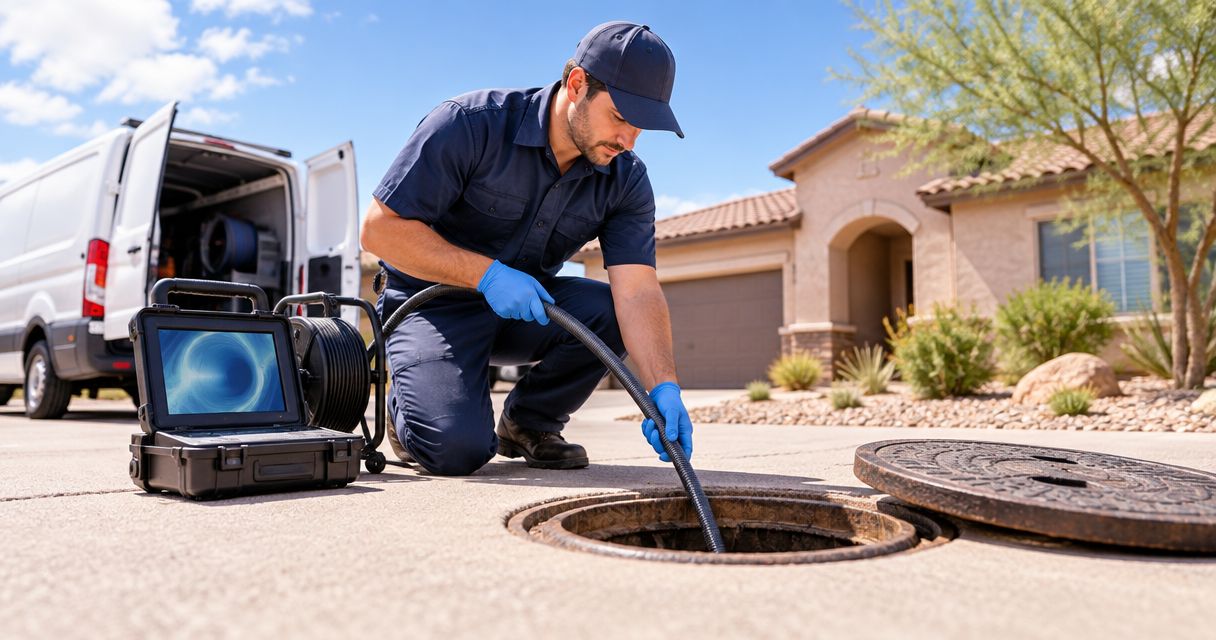
Ask whether a camera inspection would help answer an identified drainage concern. A camera provides a view inside accessible drain piping, but its usefulness depends on access and whether the relevant section can be examined.
Request a reason for the camera inspection, not just a yes-or-no recommendation. Ask what question it is intended to answer, what portion of the drain will be examined, and how findings will be documented. A recording without an explanation leaves you interpreting plumbing conditions yourself.
Can I rely on the seller's plumbing repair receipt?
A receipt helps document work, but it does not automatically establish that your current concern is resolved. Compare the described repair with the location and symptom in the inspection report.
If the paperwork says a connection was repaired and the inspector found leakage elsewhere, those are separate questions. Ask for clarification rather than treating any plumbing receipt as evidence about the entire system.
Should I wait until after closing to address a plumbing concern?
I recommend resolving the question before closing when the finding affects your purchase decision. That does not mean every repair must happen before the sale; it means you should understand the issue before deciding how to handle it.
Keep the plumbing recommendation separate from the contract decision. Your agent can explain the options and deadlines in your agreement. A plumber should explain the observed condition and recommended work, not promise a particular negotiation outcome.
What should I keep in my 2026 purchase file?
Keep the relevant inspection pages, photos, seller responses, repair records, and written plumbing findings together. Label each concern by location so a bathroom sink issue does not get confused with a kitchen drain problem.
I would also record any checks that could not be completed. An untested fixture should remain on your question list until someone explains its condition or you knowingly accept the uncertainty. A clear list of unanswered questions is more useful than a vague statement that the plumbing looked fine.
FAQ
Do I need a plumber before buying every San Tan Valley home?
A focused plumbing visit is most useful when an inspection or walkthrough raises an unresolved plumbing concern. Ask your home inspector what was checked and which findings need specialist attention.
Is a home inspection enough to check the plumbing?
A home inspection is only as broad as its stated scope. Read the plumbing findings and limitations, then ask a plumber about concerns that remain unresolved.
What should I send a plumber before a pre-purchase visit?
Send the relevant inspection notes, photos, property location, and your inspection deadline. Explain the symptom and arrange authorized access through the seller or agent.
Should I keep running water if a drain starts backing up?
Stop using the affected fixtures if water backs up. Notify the seller or responsible person and leave further testing to a plumber.
Can a plumber guarantee that hidden pipes are fine?
A plumbing assessment cannot establish the condition of every concealed pipe through observation alone. Ask what was examined, what remained inaccessible, and whether further evaluation is recommended.
Should plumbing repairs happen before I close on the house?
Understand the plumbing concern before deciding whether repairs should happen before closing. Ask the plumber for findings and recommendations, then discuss the purchase agreement with your agent.
Can I call KaylorMade Plumbing about an inspection finding?
Yes—call KaylorMade Plumbing to discuss a leak, drain, pipe, or water-heater finding. Explain that you are buying the property so we can discuss the appropriate service and access requirements.
One last thing
For a 2026 home purchase, my final question would be: What could not be checked? That question often gives you a clearer next step than asking whether everything looks good.
Keep the unanswered items visible. A tidy bathroom, a repair receipt, and a brief fixture test each provide information, but none should erase a concern that nobody has explained.