Why Does My House Smell Like Sewer? Common Plumbing Causes
A sewer-like smell inside your house does not automatically mean the main sewer line has failed. The odor can come from something as simple as a dry drain trap, but it can also point to a damaged toilet seal, a venting problem, a blockage, or an issue deeper in the sewer line.
The location of the smell and the behavior of your plumbing provide useful clues. If the odor keeps returning, especially along with slow drains, gurgling, or backups, a sewer camera inspection may help determine whether there is a visible problem inside an accessible sewer or drain line.
Here is how to narrow down what may be causing that sewer smell and when professional plumbing diagnostics make sense.
First, Figure Out Where the Sewer Smell Is Strongest
Before assuming there is a major sewer problem, pay attention to where and when you notice the odor.
Is it strongest near one bathroom? Does it come from a sink that rarely gets used? Does the smell become noticeable when the washing machine drains? Are several drains making gurgling sounds at the same time?
Those details help separate a localized fixture problem from something affecting a larger section of the plumbing system.
A smell around one rarely used drain, for example, points in a different direction than sewer odor combined with slow drainage throughout the house.
A Dry P-Trap Can Let Sewer Odors Enter the Room
Many sinks, showers, tubs, and floor drains have a curved section of pipe called a P-trap. Its purpose is to retain a small amount of water that creates a barrier between your living space and gases inside the drainage system.
When a fixture goes unused for an extended period, that water can evaporate. Once the water barrier disappears, odors may travel through the drain.
This is especially worth considering in:
Guest bathrooms that are rarely used
Utility rooms with floor drains
Unused showers or tubs
Vacant or seasonal areas of a property
Fixtures that have been out of service
Running water into a rarely used fixture is a simple, low-risk first check. If the smell disappears and does not return, a dry trap may have been the cause.
If the trap repeatedly loses its water or the smell quickly returns, another plumbing or venting issue may need investigation.
Plumbing Vent Problems Can Affect Drainage and Odor Control
Your plumbing system needs more than pipes that carry wastewater away. It also relies on venting.
Plumbing vents help balance pressure in the drainage system and allow gases to discharge appropriately outside rather than entering through indoor fixtures.
A venting issue can sometimes be associated with symptoms such as:
Gurgling after a toilet flushes
Water moving unexpectedly in nearby drain traps
Intermittent sewer odors
Slow drainage without an obvious fixture clog
Odors that appear when another fixture drains
Those symptoms do not prove that a vent is blocked. Plumbing systems are interconnected, and similar symptoms can have different causes.
Professional troubleshooting may be needed when odors continue after basic fixture-related causes have been ruled out.
The Seal Around a Toilet May Be Part of the Problem
A toilet connects to the drainage system through a sealed connection at its base. If that connection no longer seals correctly, sewer odor may escape even when the toilet still appears to flush normally.
However, odor around a toilet should not automatically be blamed on one specific component.
Possible sources can include the base seal, plumbing connections, the toilet itself, or another nearby drain. Moisture around the toilet can also have more than one cause.
Signs worth having evaluated include:
Persistent odor concentrated around the toilet
A toilet that rocks or moves
Moisture appearing around the base
Repeated odor after the bathroom has been cleaned
Drainage or flushing behavior that has recently changed
Removing a toilet is not necessary as a first troubleshooting step. A plumber can evaluate the fixture and surrounding plumbing before deciding what needs to be opened or repaired.
Buildup Inside a Drain Can Smell Similar to Sewer Gas
Not every unpleasant drain odor originates from the sewer line.
Organic debris can collect inside sink, shower, and other fixture drains. Hair, soap residue, food particles, oils, and other material may create strong odors as buildup accumulates.
This is more likely when the smell is isolated to a single fixture and the rest of the home's plumbing is working normally.
Pay attention to whether the drain is also:
Emptying more slowly than usual
Making unusual sounds
Clogging repeatedly
Holding standing water
Producing odor mainly after use
A localized drain issue and a larger sewer problem are not the same thing. That distinction matters because they may require completely different diagnostic and cleaning methods.
Avoid repeatedly pouring strong chemical drain cleaners into a problem drain without considering the pipe condition and the product instructions. Never mix drain-cleaning chemicals.
Multiple Slow Drains Can Point to a Larger Plumbing Issue
One slow bathroom sink could be a localized clog. Several slow fixtures at the same time deserve more attention.
A larger drain or sewer issue may be considered when you notice a combination of symptoms such as:
More than one fixture draining slowly
Toilets bubbling when another fixture drains
Recurring backups
Sewer odors in several areas
Problems that return shortly after a clog is cleared
Unusual changes in several fixtures at once
These symptoms still do not identify the exact cause on their own.
The restriction could be related to accumulated material, a foreign object, roots entering a damaged area, a displaced section of pipe, or another condition inside the line. Proper diagnosis helps avoid treating only the symptom.
Roots, Pipe Damage, and Other Sewer Line Conditions
Underground sewer piping can develop problems that are impossible to identify just by looking at the fixtures inside the house.
Depending on the property and pipe condition, possible issues can include:
Root Intrusion
Roots can enter a sewer line through existing joints, cracks, or damaged areas. Once inside, they may interfere with wastewater flow and collect debris.
Offset or Displaced Pipe Sections
Pipe sections that are no longer properly aligned can disrupt flow or create areas where waste accumulates.
Cracks or Deterioration
Damage inside a sewer line may affect its condition or contribute to recurring plumbing problems.
Internal Blockages
Grease, waste, foreign objects, and other debris can restrict the usable opening inside a line.
You cannot reliably distinguish among these conditions based only on odor. That is where visual diagnostic tools can become useful.
When a Sewer Camera Inspection Can Help
A sewer camera is a diagnostic tool. It does not clear a clog or repair a damaged pipe.
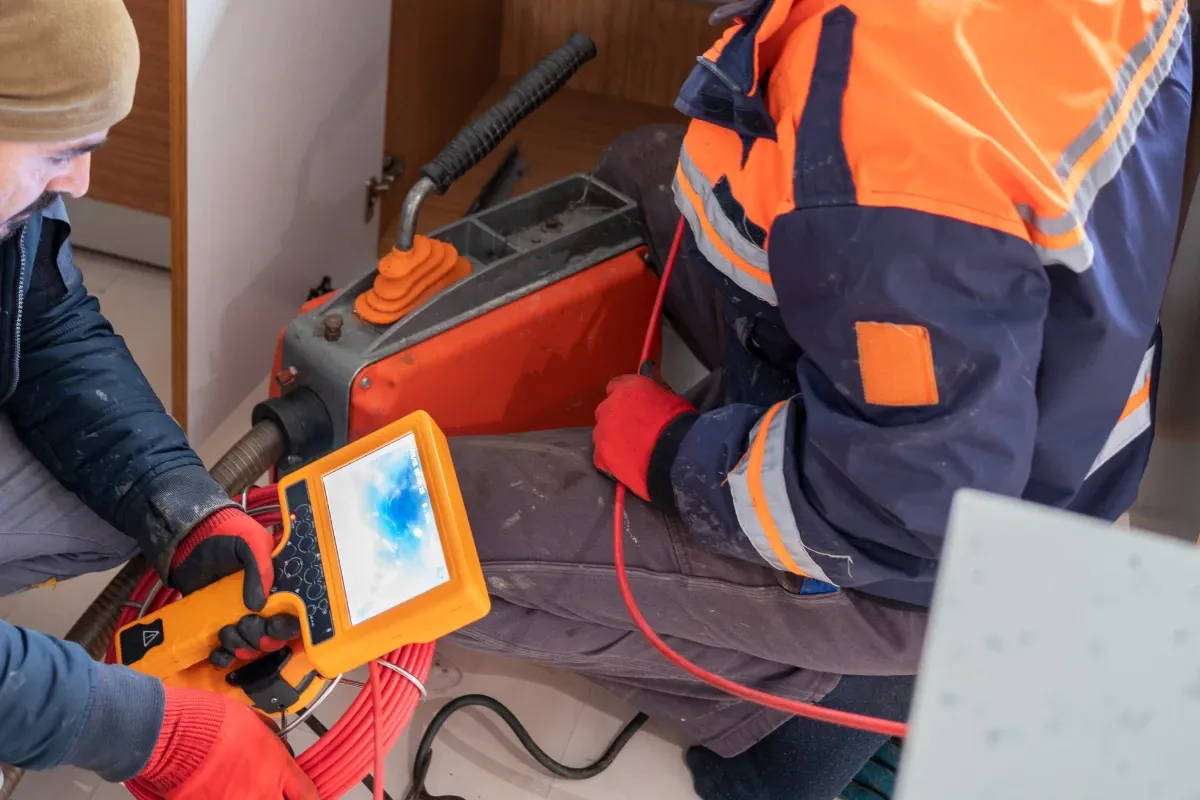
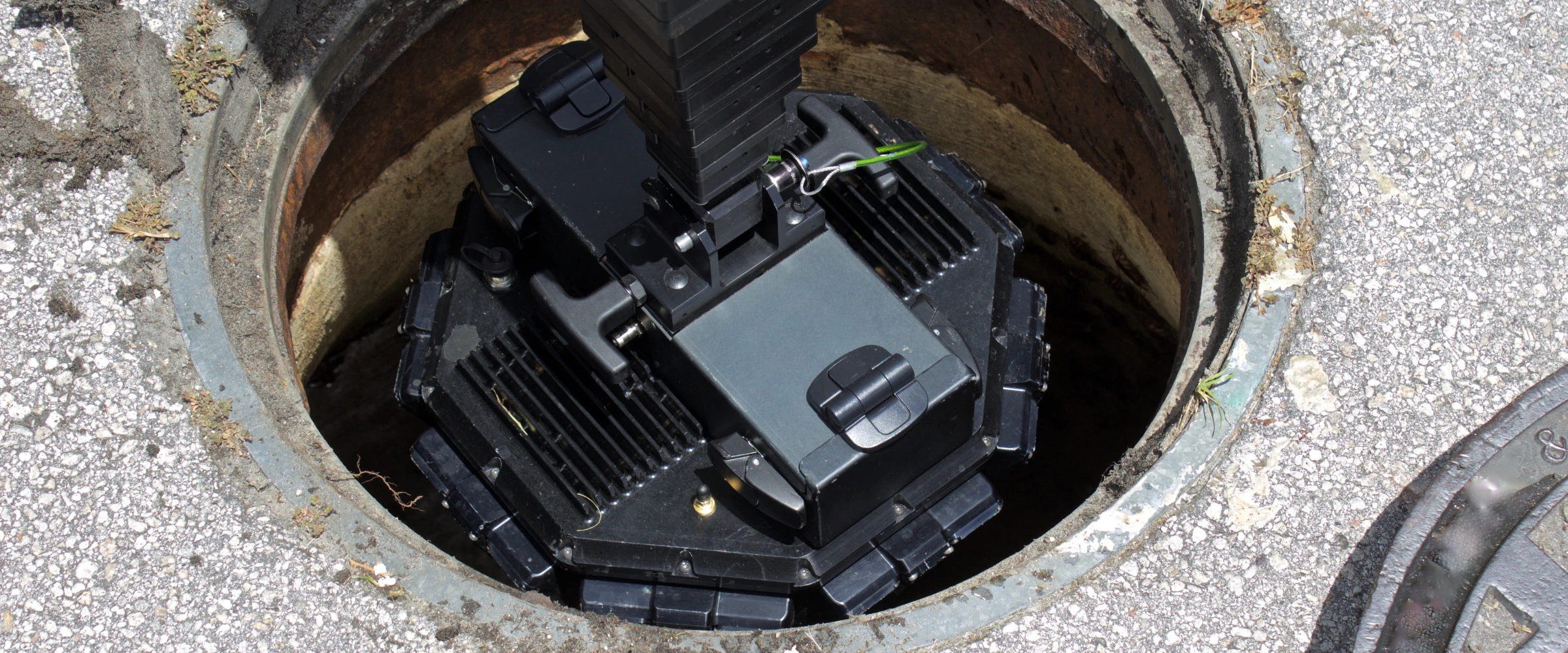
During an inspection, a camera is advanced through an accessible drain or sewer line so the interior can be viewed. Depending on access and visibility, an inspection can help identify conditions such as visible blockages, root intrusion, damaged areas, offsets, or other irregularities.
A camera inspection can be especially useful when a sewer odor appears alongside recurring plumbing symptoms rather than as an isolated smell.
Situations where visual inspection may provide useful information include:
A blockage keeps returning
Several fixtures have drainage problems
Root intrusion is suspected
Previous drain cleaning did not explain the recurring issue
Pipe damage is suspected
A specific section of an accessible sewer line needs to be evaluated
A camera is not a perfect diagnostic tool. It cannot see through pipe walls, identify every type of leak, or replace every other form of plumbing testing.
Visibility can also be limited by standing water, heavy debris, a complete blockage, poor access, pipe configuration, or the physical condition of the line.
Why Sewer Odor Alone Does Not Tell You Where the Problem Is
Smell can alert you that something is wrong, but it does not identify the source.
An odor that seems to come from a shower could actually be associated with a nearby toilet or plumbing connection. An odor noticed in multiple rooms may involve the drainage or venting system. A smell outside the home may have an entirely different source.
That is why troubleshooting works better when the odor is considered together with other observations:
Which fixtures are affected?
Are drains slow?
Does anything gurgle?
Have there been backups?
Is the problem constant or intermittent?
Does it happen when a particular fixture is used?
Has the problem happened before?
The pattern often tells a plumber more than the smell itself.
Sewer Odor vs. an Active Sewage Backup
A bad smell and an active sewage backup require different responses.
If wastewater or sewage is actually backing up through a toilet, shower, tub, or floor drain, avoid direct contact with the contaminated area. Sewage can contain harmful microorganisms and should not be handled as a routine DIY cleanup.
Keep people and pets away from affected areas and avoid standing water where electrical hazards may be present.
If several fixtures are backing up or usable plumbing is being lost, the problem deserves prompt professional attention.
Could the Problem Come From the Municipal Sewer?
Not every sewer odor or backup begins inside private household plumbing.
Gilbert's Wastewater Division lists sewer blockages, sewer overflows, sewer odors, and suspected pipeline breaks among the wastewater concerns it responds to.
If the problem appears to involve the public wastewater system rather than the property's private plumbing, the Town of Gilbert Wastewater Division is a useful local resource.
A plumber can help determine whether the evidence points toward plumbing on the property or whether contacting the municipality may be appropriate.
Useful Resources for Understanding Sewer Odors and Pipe Inspections
Several non-commercial and manufacturer resources can help homeowners better understand sewer gases, wastewater systems, and the equipment used to inspect pipes.
Town of Gilbert Wastewater Division
Gilbert provides information about its wastewater system and how residents can report concerns involving public sewer blockages, overflows, odors, and suspected pipeline problems. This is particularly useful if the source may extend beyond the plumbing on your property.
RIDGID Diagnostics, Inspection & Locating
RIDGID manufactures professional video inspection equipment designed for drain and sewer applications. Its resources are useful for understanding what pipe inspection cameras are designed to do and why different systems are used for different pipe sizes and configurations.
ATSDR Hydrogen Sulfide Information
The Agency for Toxic Substances and Disease Registry provides information about hydrogen sulfide, a gas commonly associated with a rotten-egg odor and sometimes referred to as sewer gas. The resource explains its characteristics and why exposure should be taken seriously rather than investigated by entering enclosed sewer spaces.
U.S. EPA Sanitary Sewer Overflow Resources
The U.S. Environmental Protection Agency explains sanitary sewer overflows and some of the conditions that can contribute to them, including blockages and damaged sewer infrastructure. It also explains why sewage releases can create property and health concerns.
Frequently Asked Questions About Sewer Smells in the House
Can Sewer Smell Come From Just One Sink?
Yes. A sewer-like smell isolated to one sink may come from a dry trap, buildup inside the drain, or another problem associated with that particular fixture.
If several fixtures begin smelling or draining poorly at the same time, the investigation may need to extend beyond that one drain.
Why Does My Bathroom Smell Like Sewer Even After Cleaning It?
Cleaning the visible surfaces will not solve an odor coming from the plumbing system.
Possible sources include a dry trap, a toilet connection, drain buildup, plumbing venting, or a larger drainage issue. The location and timing of the odor can help narrow down the possibilities.
Can a Clogged Sewer Line Cause a Bad Smell?
A blockage or restricted sewer line can sometimes be associated with sewer odors, particularly when there are other symptoms such as recurring backups, gurgling, or multiple slow drains.
Odor alone cannot confirm that the main sewer line is clogged.
Will a Sewer Camera Find the Source of Every Sewer Smell?
No. A camera shows the visible interior of accessible piping. It may reveal a blockage, roots, pipe damage, or another visible condition, but it does not inspect through pipe walls or diagnose every possible odor source.
Problems involving fixture seals, dry traps, or some venting conditions may require other diagnostic methods.
Should I Get a Camera Inspection After One Clogged Drain?
Not necessarily.
A single fixture clog may be localized. Camera inspection becomes more relevant when clogs repeatedly return, several fixtures are affected, pipe damage is suspected, or previous work has not explained an ongoing sewer problem.
Why Does the Sewer Smell Come and Go?
Intermittent odors can happen for several reasons. Fixture use, changes in drainage flow, trap water levels, venting behavior, or conditions elsewhere in the plumbing system can affect when the smell becomes noticeable.
Tracking when it happens can provide useful diagnostic information.
Is Sewer Gas Dangerous?
Some gases associated with sewage can be hazardous at sufficient concentrations. Hydrogen sulfide, for example, can occur in sewers and enclosed spaces.
Do not enter sewer pipes, manholes, tanks, or other confined spaces to investigate an odor yourself. If the odor is severe or you suspect an unsafe environment, leave the affected area and seek appropriate professional assistance.
How Much Does It Cost to Diagnose a Sewer Odor?
The cost depends on what needs to be evaluated, how accessible the plumbing is, the symptoms involved, and whether additional diagnostic work is required.
A straightforward fixture problem and a recurring underground sewer issue do not require the same amount of troubleshooting. A plumber can evaluate the situation and explain the appropriate next step before repair work begins.
Get the Cause Identified Before Choosing the Repair
A sewer smell is a symptom, not a diagnosis. It may begin with a dry trap or fixture connection, or it may be one clue pointing toward a blockage, venting issue, root intrusion, or damaged sewer piping.
If the odor keeps returning and your home also has recurring clogs, gurgling, backups, or multiple slow drains, a sewer camera inspection can help us visually evaluate accessible sections of the line and determine whether a visible sewer problem is contributing to the issue.
KaylorMade Plumbing serves homeowners in Gilbert and surrounding areas. For regular service, call 480-202-6392. For emergency plumbing service, call 480-468-4027. You can also Contact Us to discuss what you are noticing and determine the appropriate next step.