Septic Tank Installation In Queen Creek, AZ
In Queen Creek, many homes rely on septic tanks, and we install septic tank systems that keep your home running smoothly.
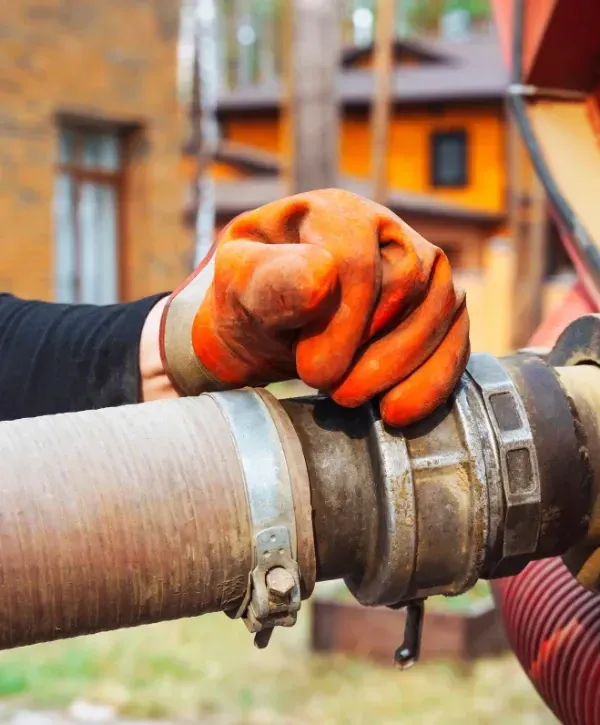
Living in Queen Creek often means larger lots, open land, and homes that depend on a septic tank system. When your septic tank is installed correctly, everything runs smoothly. When it is not, problems show up quickly, and that stress is real.
At KaylorMade Plumbing, we install septic tank systems that work the way they should from the very beginning. We take pride in helping families protect their homes, their land, and their peace of mind for many years ahead.

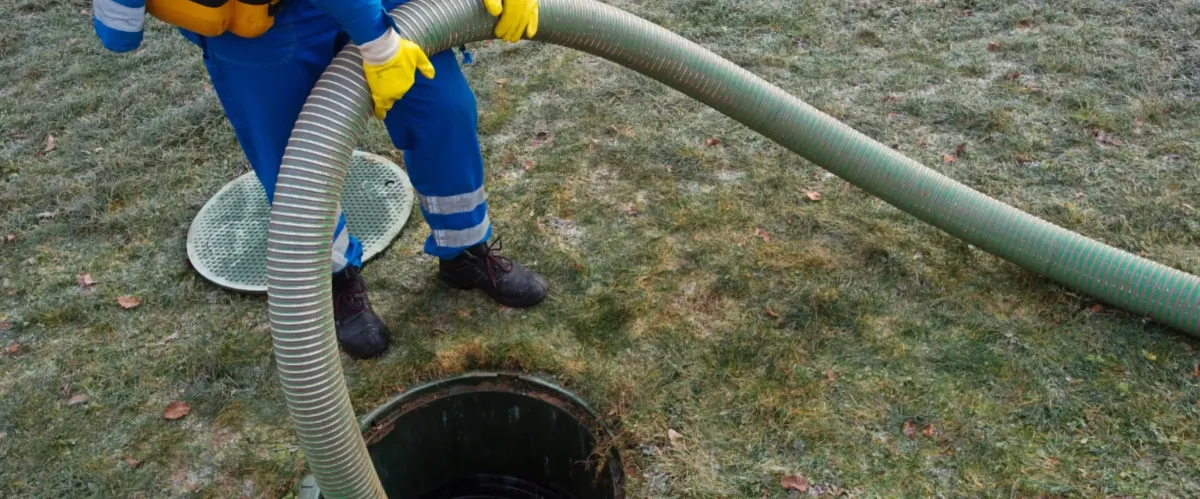
Why Homeowners Trust Our Septic Tank Installation In Queen Creek, AZ
Installing septic systems the right way has helped us raise expectations across the industry. Homeowners notice the difference immediately. Check out the benefits we offer:
Upfront Pricing
Plumbers, Not Salespeople
24/7 Services
Licensed & Insured
Septic Tank Installation In Queen Creek, AZ, That Looks As Good As It Works
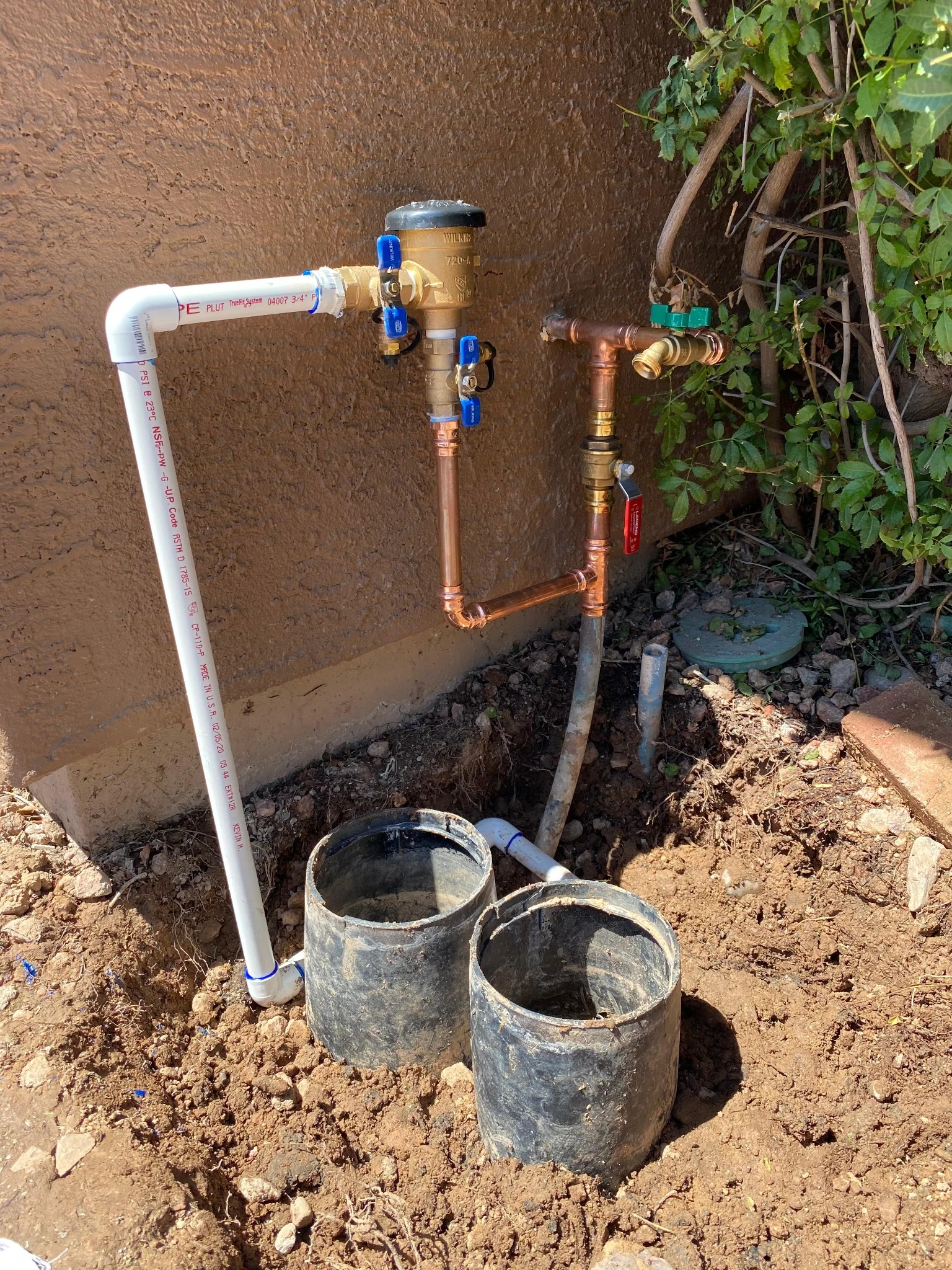
Your property could look just as clean, organized, and well planned as the projects shown below. We install systems that work smoothly, protect your land, and give you the calm feeling that everything was done right.

What Our Customers Say About Our Septic Tank Installation In Queen Creek, AZ
We are thankful for every homeowner who trusted us with their property. Their kind words mean everything to us. Check out the beautiful things people have to say about us.
I cannot recommend KaylorMade Plumbing highly enough! If you are looking for a reliable, professional, and skilled team, this is absolutely the place to call for all your plumbing needs. They are honest hard working experts!

Kaylor did an absolutely amazing job installing my reverse osmosis and water softener for my home. He was very fast, reliable and fair with his pricing. I would highly recommend him to everyone I know. Thank you so much!

Kaylor Made Plumbing did an outstanding job! They were professional, reliable, and showed up on time. The work was done efficiently and with great attention to detail, and everything was explained clearly so there were no surprises. It’s obvious they take pride in their work and care about their customers. I highly recommend Kaylor Made Plumbing to anyone looking for honest, high-quality plumbing services.

I’ve used Kaylor for multiple things around my house and have been nothing but satisfied with the service , cost and expertise. So glad I found a plumbing company that I can trust !

I’ve used Kaylor for multiple plumbing jobs around my house and other friend’s houses! He does fantastic work and communicates very well. Highly recommended!

Kaylor is very professional and detailed in his work. One of his best services is water softener installation.

Understanding The Cost Of Septic Tank Installation In Queen Creek, AZ
Every septic tank installation is different. The layout of the property, the soil, and the size of the system all matter. Because of this, we provide accurate quotes only after speaking with you and understanding the full project.
Once we learn about your home and land, we can give clear pricing and explain exactly what your installation requires. This helps you make a confident decision without guessing or worrying about unexpected surprises later.
Factors That Affect Septic Tank Installation Costs In Queen Creek, AZ
Several important factors influence the total cost of septic tank installation. Each property is unique, which is why understanding these details helps us give the most accurate estimate possible.
System Size Requirements: The number of bedrooms and daily water usage determine tank size and drain field capacity. Larger households require larger systems designed to handle greater wastewater flow safely.
Soil Conditions: Different soil types absorb and filter water differently. Some soils drain well, while others need special system designs to keep wastewater moving properly.
Clear Timeline And Honest Planning For Septic Tank Installation In Queen Creek, AZ
We believe homeowners deserve clear plans before work begins. As professionals, we provide realistic timelines and accurate budget expectations so you always know what is happening and what comes next.

We respect the budget we agree on at the start. Clear communication helps avoid surprises, and we stay focused on delivering the system your property needs without pushing unnecessary additions.

We also respect your time. Once we set a project schedule, we stay organized and work steadily so your septic system is installed and ready to use on the agreed deadline.
Septic Tank Installation In Queen Creek, AZ Made Simple And Stress Free
Getting a septic system installed can feel overwhelming. We keep things simple so you can relax. We guide the process, handle the details, and make sure everything runs smoothly from start to finish.

Step 1: Sign Up
Call us today at 480-202-6392 to schedule your septic tank installation and get a system you can rely on for years to come.
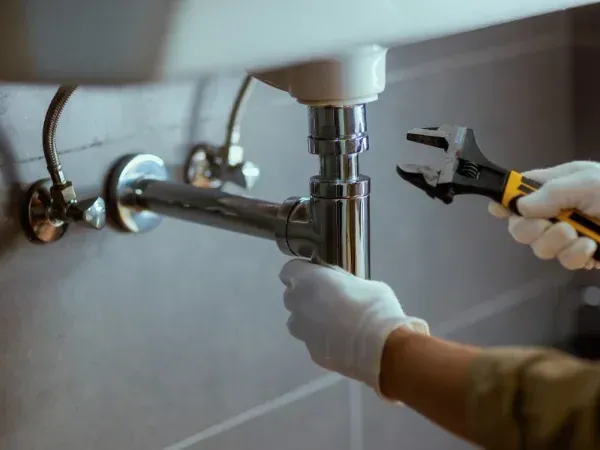
Step 2: Clean
We handle permits, excavation, installation, and inspections while keeping you informed throughout the project.
Step 3: Enjoy
You enjoy a reliable septic system, peace of mind, and a property ready for years ahead.
Septic Tank Installation In Queen Creek, AZ FAQ
How does a septic tank system work?
A septic tank is a water tight container, usually made of concrete, buried underground on your property. Wastewater from your house plumbing, including water from toilets, sinks, and showers, flows through the main drainage pipe into the tank through an inlet pipe.
Inside the tank, the wastewater goes through primary treatment. Heavy solids and solid materials settle at the bottom and form sludge layers, while lighter materials like grease and oils float to the top as floating scum.
In the middle layer is the liquid wastewater, also called effluent. Naturally occurring anaerobic bacteria break down organic matter in the sewage.
After this step, the tank releases the liquid into the septic drain field (also called a leach field or drain field). The field contains perforated pipes that slowly disperse wastewater into the soil, where wastewater percolates through the ground. The soil provides secondary treatment, removing remaining impurities, suspended solids, contaminants, and harmful organisms like coliform bacteria before the water reaches groundwater.
How do I know if my property needs a septic system?
If your property is not connected to a municipal sewer, you will need a septic system to handle wastewater treatment from your home.
Many homes in rural or semi-rural areas use conventional septic systems because city sewer lines are not available. These systems manage human waste, liquid waste, and household wastewater safely on your own property.
A professional evaluation of your site, soil, and property layout will confirm if a conventional septic design is the right solution for your home.
What size septic tank does my home need?
The size of new septic tanks depends mainly on the number of bedrooms in the house and the amount of wastewater the household produces.
Larger homes generate more liquid waste, which means the tanks and drain field must handle greater flow. A properly sized system ensures the septic system works efficiently without overload.
During planning, professionals review water usage, the size of the home, and the property layout to design a properly functioning septic system that can safely process wastewater for many years.
What happens inside the septic tank?
When wastewater enters the first chamber of the septic tank, the treatment process begins. The tank separates materials into layers.
- Heavy solids sink to the bottom as sludge and settled solids
- Grease and oils float to the top, forming scum
- The middle layer contains liquid effluent
A baffle wall or second chamber helps control the flow of wastewater and keeps solids from leaving the tank. The bacteria inside the tank break down organic matter, toilet paper, and waste.
Once the liquid portion is partially treated, the tank may discharge effluent directly to the septic drain field for further treatment in the soil.
How long does septic tank installation take?
Most septic tank installations take two to five days once permits and planning are completed.
The process includes preparing the site, excavation, installing the septic tank, connecting pipes, building the drain field, and completing inspections. The timeline may change depending on soil conditions, property access, and system size.
Once finished, your home will have a fully installed wastewater system that safely moves sewage away from the house and into the treatment area.
How often should a septic tank be pumped?
A septic tank should typically be pumped every 3 to 5 years, though the schedule depends on household size and water usage.
Over time, sludge, heavy solids, and floating scum build up inside the tank. If the tank is not pumped, these materials can move into the septic drain field and clog the perforated pipes.
A properly maintained system removes these materials before they cause damage and helps keep the entire septic system operating smoothly.
What items should never go into a septic system?
Septic systems work best when only wastewater, human waste, and toilet paper go down the drains.
Certain materials can damage the system or slow down the bacteria that break down waste. Avoid flushing or draining items like:
- Cigarette butts
- Grease and oils
- Paper towels
- Chemicals or harsh cleaners
- Excessive food waste from a garbage disposal.
Large amounts of food scraps, grease, and chemicals can harm the bacteria that help treat sewage, which can cause the system fails or the drain field to clog.
What can cause a septic system to fail?
A septic system fails when wastewater cannot move or treat properly. This can happen for several reasons.
A system may fail if it is not properly sited, meaning the soil or location cannot support wastewater absorption. Problems also occur when tree roots damage pipes, when the tank is not pumped, or when excessive water enters the system.
Using too much water, installing water softeners that increase discharge, or allowing surface water to flow into the system can overload it. When that happens, the effluent cannot properly disperse wastewater into the soil.
Keeping the system properly maintained, protecting the drain field, and scheduling regular inspections helps prevent costly failures and protects the environment, groundwater, and your property.
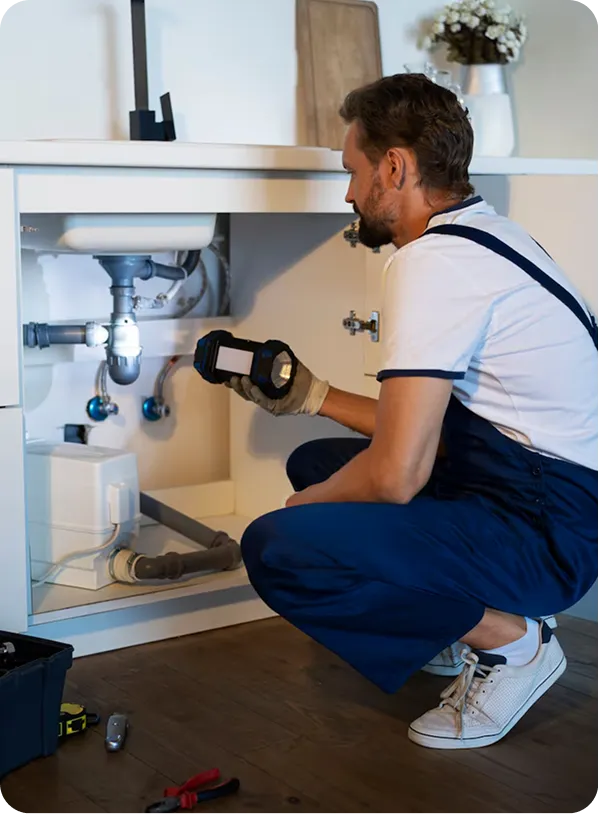
Take Control Of Your Property With Reliable Septic Tank Installation In Queen Creek, AZ
A properly installed septic tank system protects your home, your land, and your daily life. Many homeowners tell us they wish they had taken care of their septic tank sooner. Contact us at 480-202-6392 and let KaylorMade Plumbing guide your project from start to finish.
When you work with us, you get clear communication, careful septic tank installation, and a system built to last. We treat every property with respect because we know it is more than land. Contact us atl 480-202-6392 and let KaylorMade Plumbing get started.

Queen Creek, AZ, is known for its growing neighborhoods, wide open spaces, and strong sense of community. Many homes rely on septic systems because of the larger properties common throughout the area. Residents enjoy local spots like Schnepf Farms, the Queen Creek Olive Mill, and San Tan Mountain Regional Park. As the town continues to grow, reliable home infrastructure becomes even more important. KaylorMade Plumbing proudly helps homeowners throughout Queen Creek with dependable septic tank installation. For service, call 480-202-6392.
KaylorMade Plumbing offers plumbing services for homes and businesses, including emergency repairs, drain cleaning, water heater repair, water softener installation, pipe and toilet repairs, septic tank installation, and sewer camera inspections.
Quick Links
Services
Contact Info
Address: 19301 E Calle de Flores, Queen Creek, AZ 85142, United States
Serving The Phoenix Metro Area
®2026 All Rights Reserved. Kaylormade Plumbing